Western Ahtna
A people
Background
A mixed band of Dena'ina and Ahtna worked the Talkeetna River drainage, and among the Ahtna a wealthy man reinforced his standing by marrying women from different family groups, which brought him followers and especially brothers-in-law who acted as his retainers. Denali's ethnographic account places the Western Ahtna at the western end of Ahtna country, with their home territory in the Broad Pass area and the upper Nenana River corridor. The same account counts them with the Dena'ina, the Koyukon, the Lower Tanana and the Upper Kuskokwim as the five Athabascan peoples whose homeland includes the park. The Western Ahtna are a regional people within the wider Ahtna, not a separate tribe with a government of its own. Ahtna, Inc., the Alaska Native regional corporation for the Ahtna, describes itself as a for-profit corporation established under the Alaska Native Claims Settlement Act of 1971, based in Glennallen, Alaska, and owned by more than 2,300 shareholders, the majority of them of Ahtna Athabascan descent.
Parks on its homelands
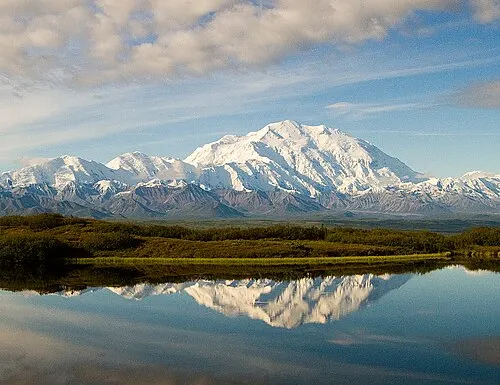
Denali National Park and PreserveA mixed band of Dena'ina and Ahtna, known as the mountain people, exploited the Talkeetna River drainage, and Western Ahtna country covered the Broad Pass area and the upper Nenana River corridor. A wealthy Ahtna man built his standing by marrying women from different family groups, and the brothers-in-law he gained acted as his retainers. Source
Sources
Checked September 2026.