Paiute
A people
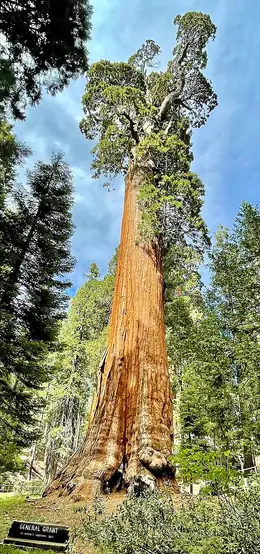
Background
Big Pine Paiute Tribe's own account of its ancestors sets out a seasonal round: pine nuts gathered in the mountains in the fall, sometimes a plentiful enough crop that they stayed in the groves throughout the winter, then a spring abundance of seeds, berries and roots on the valley floor, with water the one variable they could not plan around. Manzanar National Historic Site records that for more than three thousand years the Owens Valley Paiute hunted game, gathered pinon nuts, made baskets and pottery, and traded with other native groups beyond the mountains. The site says they lived in settlements along the waterways and built their own irrigation systems to grow native plant foods. In 1863 the military forcibly removed 1,000 Paiute to Fort Tejon. Many later returned to the Owens Valley, and by 1900 the Bureau of Indian Affairs had established Indian schools at Fort Independence, Big Pine and Bishop. Sequoia and Kings Canyon count the Paiute among the five peoples whose homelands the parks cover, alongside the Mono, the Yokuts, the Tübatulabal and the Western Shoshone.
Parks on its homelands
Kings Canyon National ParkThe Paiute are named by NPS as one of the five peoples whose homelands are Sequoia and Kings Canyon. The Fort Independence Indian Community of Paiute Indians and the Bishop Paiute Tribe are among the federally recognized tribal governments the park lists. Source
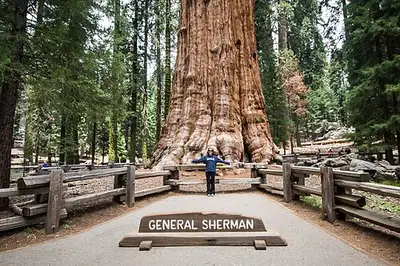 Sequoia National Park
The Bishop Paiute Tribe traces its people to the Nu-Mu of the Owens Valley. In 1912 the U.S. Government reserved over 67,000 acres of land in the Owens Valley for the Indians of this area, revoked that land in 1932, and by 1936 had traded it for the 875 acres that make up the reservation at Bishop. Source
Sources
- https://www.nps.gov/seki/learn/historyculture/native-americans.htm
- https://bigpinepaiute.org/about-the-tribe
- https://www.nps.gov/manz/learn/historyculture/owens-valley-paiute.htm
Checked September 2026.