Mono (Monache)
A people
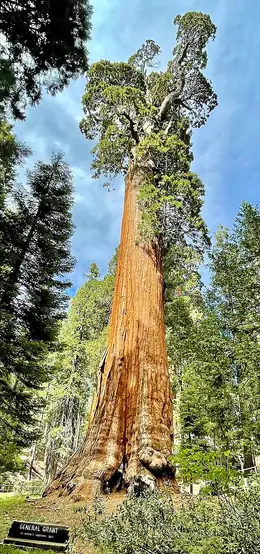
Background
The name mono comes from monoache, a word the Yokuts used. Cal Poly's land acknowledgment, which describes the Western Mono as Shoshonean speaking, living in the northern part of what is now Sequoia National Park, in the upper Kaweah River drainage and on the western slopes of the Sierra Nevada, gives that as its source. The Mono (Monache) are one of the five peoples whose homelands Sequoia and Kings Canyon cover. The Mono Lake Kootzaduka'a Tribe calls itself the southernmost band of the Numu people, and the parks' affiliated tribes list includes the Big Sandy Rancheria Band of Western Mono Indians and the North Fork Rancheria of Mono Indians on the federally recognized list, with the Dunlap Band of Mono Indians under state recognized and other tribes. The park says these tribes all have numerous descendants living today who continue to steward and tend the lands now within Sequoia and Kings Canyon.
Parks on its homelands
Kings Canyon National ParkThe Mono (Monache) are named by NPS as one of the five peoples whose homelands are Sequoia and Kings Canyon. The park's affiliated tribal list names the Big Sandy Rancheria Band of Western Mono Indians and the North Fork Rancheria of Mono Indians among the federally recognized, and the Dunlap Band of Mono Indians and the North Fork Mono Tribe among the state recognized and other tribes. Source
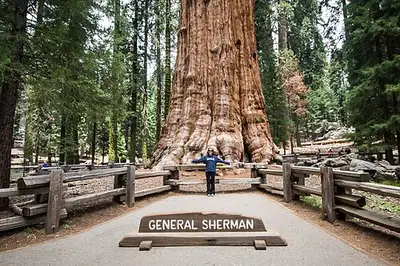 Sequoia National Park
In 1909 the Bureau of Indian Affairs bought 280 acres of land to be held in trust for the San Joaquin, or Big Sandy, Band of Western Mono Indians, and that land became the Big Sandy Rancheria of Auberry. Source
Sources
- https://www.nps.gov/seki/learn/historyculture/native-americans.htm
- https://monolaketribe.us/mono-lake-kootzadukaa-tribe/numu-tubewa/
- https://www.asi.calpoly.edu/discover-asi/student-success-at-asi/indigenous-land-acknowledgment/western-mono-tubatulabal
Checked September 2026.