Ktunaxa (Kootenai)
A people
Background
The Ktunaxa Nation describes the Ktunaxa as a single transboundary people now divided by an international border. In the United States, the Kootenai Tribe of Idaho lives near Bonners Ferry. The Ksanka, the southernmost branch of the Ktunaxa Nation, are one of the three tribes of the Confederated Salish and Kootenai Tribes in Montana, based mainly around Elmo and Big Arm on the Flathead Reservation. In Canada, the Ktunaxa Nation Council Society is led by four Ktunaxa First Nations: ʔakisq̓nuk, ʔaq̓am, Yaqan Nuʔkiy, and Yaq̓it ʔa·knuqⱡiʔit.
Visit and learn
Three Chiefs Culture Center
The Kootenai are one of the three peoples the center serves. It is owned and run by the Confederated Salish and Kootenai Tribes, with museum exhibits, presentations, classes, and a shop for Native-made work.
Tribal lands have their own laws. Check the nation's site before you visit.
Parks on its homelands
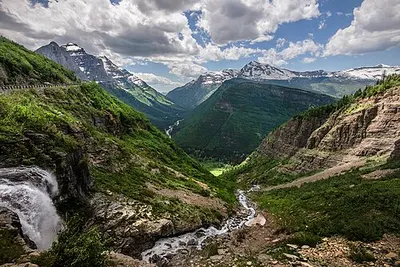
Glacier National ParkThe Kootenai prefer the name Ktunaxa, and the Montana group most closely tied to Glacier National Park is the Ksanka Band, whose name translates as the Fish Trap People for the fish traps they set on Flathead Lake. Ktunaxa territory once reached across southern Alberta, British Columbia, Idaho, and Montana, and the Ktunaxa felt at home inside the park. Source
Programs
Ktunaxa language revitalization
The Ktunaxa Nation Council points learners to eight-week online courses open to Indigenous and non-Indigenous learners, the FirstVoices online dictionary and Ktunaxa language apps, and Lunch 'n Learn sessions at the council office.
ʔa·knusti Land Guardians
Ktunaxa land guardians work across the territory all year, on fisheries patrols and counts, salmon restoration, and archaeological impact reviews.
Ksanka Culture Committee
The Confederated Salish and Kootenai Tribes' committee for the Kootenai people. It runs the Ksanka Language Apprentice Program and an elders advisory committee.
Sources
Checked September 2026.