Huna Łingít
A people
Background
The Huna Łingít are a clan group within the Lingít, not the whole nation, and the wider Lingít people have traditionally occupied much of Southeast Alaska, from Yakutat in the north to Ketchikan in the south. Glacier Bay says oral history and scientific findings corroborate each other on how long Huna Łingít ancestors occupied the bay, which the park calls their homeland. Beginning around 1700 a long-stationary glacier surged forward and overran their settlements, and the clans survived that time by dispersing through the Icy Strait, Excursion Inlet and northern Chichagof Island. As the ice retreated they came back to ground the glacier had scraped clean, and the park records that the Huna remain connected to that homeland, to its resources, and to their own culture and tradition.
Parks on its homelands
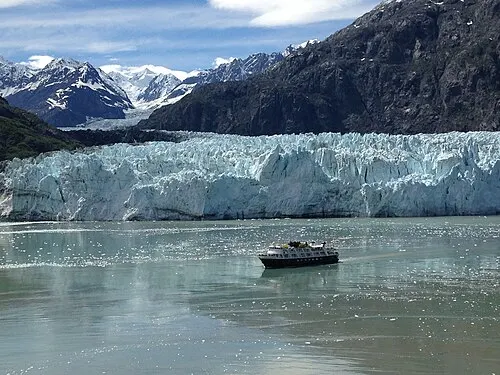
Glacier Bay National Park and PreserveThe Huna Łingít knew Glacier Bay as S'e Shuyee, the edge of the glacial silt, and as Sit' Eeti Gheeyi, the bay in place of the glacier, once the ice had scoured the land clean. When the glacier surged forward around 1700 and overran their settlements, the clans dispersed through the Icy Strait, Excursion Inlet and northern Chichagof Island, and settled at Xunniyaa, shelter from the north wind, today Hoonah. Source
Sources
Checked September 2026.