Glades culture
A people
Background
About 2,500 years ago the people living around what is now Biscayne Bay became less nomadic and more settled, and archaeologists came to call them the Glades culture. NPS writes that piles of discarded conch and whelk shells began to grow as they settled, and that those shell middens are what archaeologists study to learn about them. Everglades dates the Glades period at about 750 b.c. to a.d. 1500 and divides it into three phases, Glades I, II and III, each defined by pottery types, with the later phases showing a wide trade in materials from far away. Biscayne's human history reaches further back than that, to Paleo-Indians who moved down the Florida peninsula more than 10,000 years ago while the ice-age seas were low. As populations grew and settlements split apart, smaller and more distinct cultures grew out of this one, and the people of that period in southeast Florida are known today as the Tequesta.
Parks on its homelands
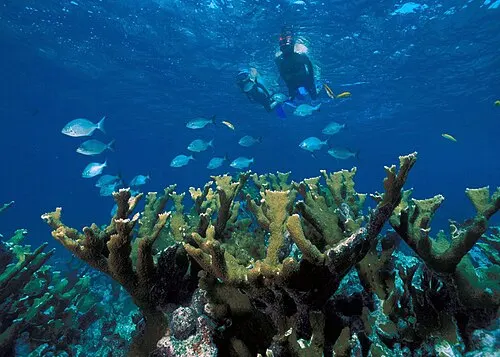
Biscayne National ParkThe Glades culture is the name archaeologists give the people of this shore who, about 2,500 years ago, became less nomadic and more settled. As they settled, piles of discarded conch and whelk shells began to grow, and NPS says those shell middens are what archaeologists study to learn about them. Biscayne's human history starts more than 10,000 years earlier, with the Paleo-Indians who moved down the Florida peninsula as the ice-age seas were low. Source
Sources
- https://www.nps.gov/bisc/learn/historyculture/native-peoples.htm
- https://www.nps.gov/ever/learn/historyculture/nativepeoples.htm
Checked September 2026.