Eastern Band of Cherokee Indians
A nation today
Background
The Band's government page keeps a full roll of the Principal Chiefs in its history, 27 names running from Yonaguska and Salonitah, also called Flying Squirrel, through to Richard Sneed. Great Smoky Mountains National Park describes the Cherokee of that earlier time as living in small, self-sufficient villages, often in fertile river valleys, in early homes built from wooden frames covered with woven vines and mud and later in sturdier log structures, with a seven-sided council house at the center of each village standing for the seven clans, Bird, Paint, Deer, Wolf, Blue, Long Hair and Wild Potato. Leadership included a Peace Chief and a War Chief, but the park is explicit that decisions were made collectively, and that society was matrilineal, with children belonging to their mother's clan and property inherited through clan relationships. In the early 1800s the Cherokee built a government of their own with an elected Chief, Vice Chief and 32-member Council, adopted a written constitution and legal code, and took up Sequoyah's syllabary of 86 characters, each one standing for a syllable, which the park says made Cherokee speakers literate in their own language quickly. The Department of Agricultural and Natural Resources states a mission of preserving and instilling generational stewardship, and works with community members who carry traditional ecological knowledge. Its Natural Resources program runs 28 full-time staff.
Visit and learn
Museum of the Cherokee People
A tribal museum on the Qualla Boundary, established in 1948 and described by its own site as one of the longest-operating tribal museums in the country. It shares Cherokee history, culture and stories through exhibitions, collections and programs. Open 9am to 5pm seven days a week, and the last ticket is sold at 4pm. It closes the day before Thanksgiving and over Thanksgiving, Christmas Eve, Christmas, New Year's Eve and New Year's Day.
Eastern Band of Cherokee Indians's own site
Tribal lands have their own laws. Check the nation's site before you visit.
Parks on its homelands
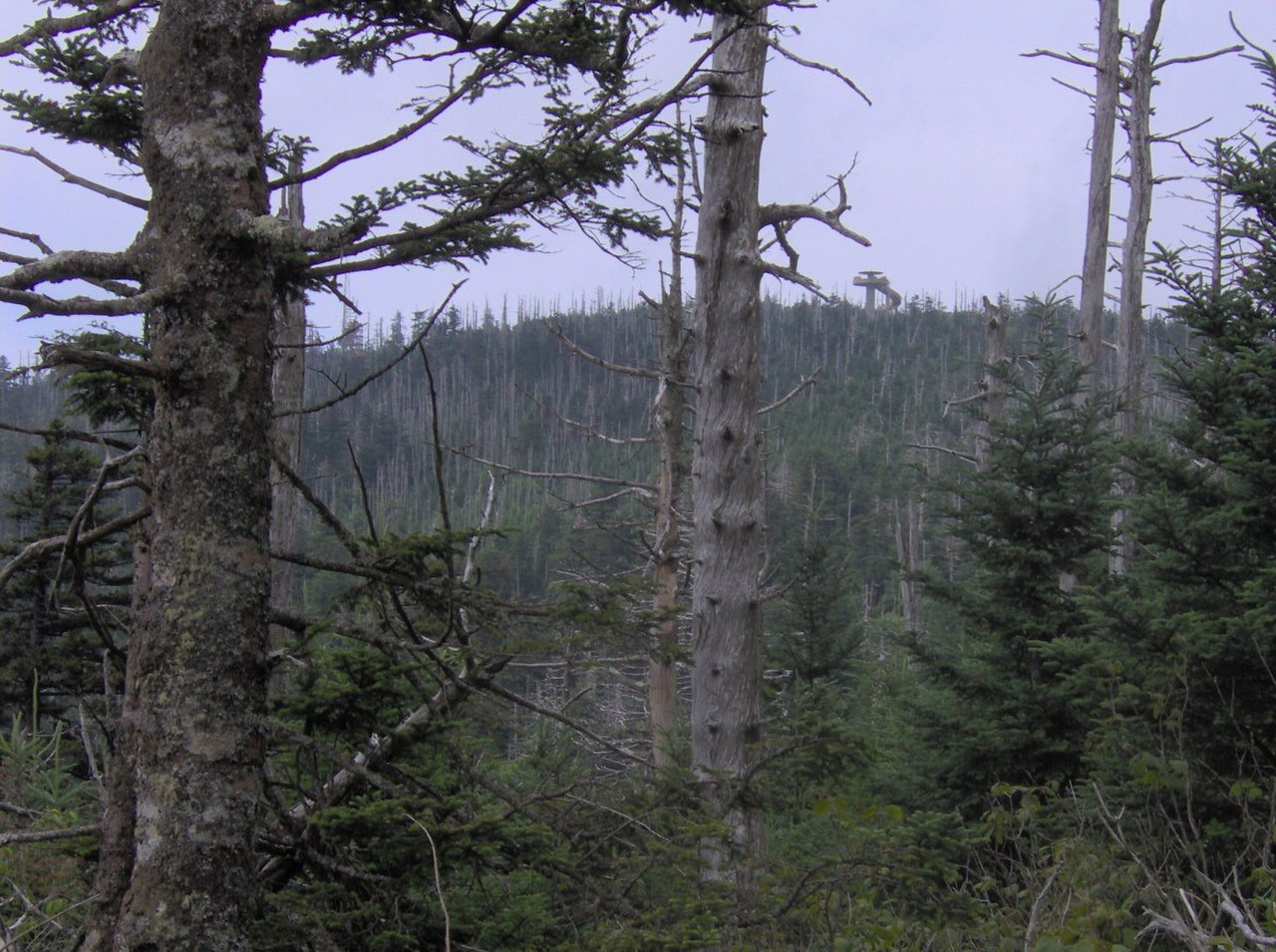
Great Smoky MountainsAround 11,000 members of the Eastern Band live today on the Qualla Boundary, a 56,000-acre area spanning parts of five counties in western North Carolina: the communities of Yellowhill, Birdtown, Snowbird, Painttown, Big Cove and Wolftown. NPS traces the Band to the small group, later known as the Oconaluftee, who were allowed to remain in these mountains. Source
 Mammoth Cave National Park
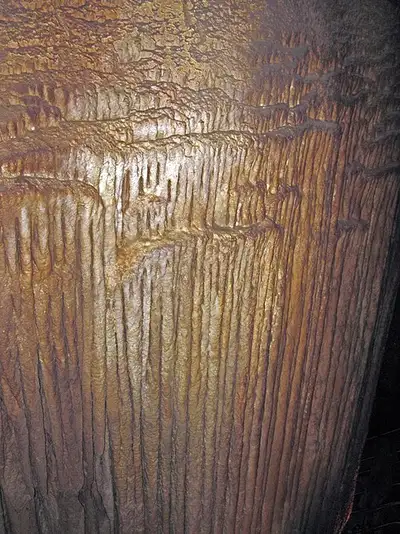
The Eastern Band of Cherokee Indians is the part of the Cherokee Nation that stayed in North Carolina through removal, and its government today sits in Cherokee, North Carolina, inside the Qualla Boundary. Source
 New River Gorge National Park and Preserve
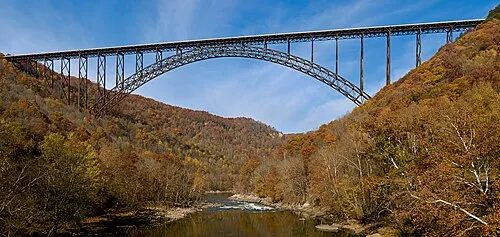
The original Cherokee claim was bounded to the north and east by the New and Kanawha Rivers, and the 1768 Treaty of Hard Labor left Cherokee rights in West Virginia only in the southwesternmost corner of the state. Source
Programs
Department of Agricultural and Natural Resources
Divisions under the department include Natural Resources, which carries a mission to protect, conserve and enhance tribal natural resources and says it maintains fish, wildlife and plant populations, manages forest and aquatic habitats, protects tribal air and water quality and runs 28 full-time staff across management, biological and physical science, technicians and administration. Cooperative Extension is the department's link to North Carolina State University and North Carolina A&T, and the department also runs Fish and Wildlife work built on an agriculture economic development plan for the region.
Sources
- https://www.govinfo.gov/content/pkg/FR-2026-01-30/html/2026-01899.htm
- https://www.ebci.gov/government/
- https://www.nps.gov/grsm/learn/historyculture/cherokee.htm
- https://www.ebci.gov/department-of-agricultural-natural-resources/
Checked September 2026.