Cherokee
A people
Background
The Smokies stand in the North Carolina end of the country of the Cherokee, and Great Smoky Mountains National Park says the Eastern Band of Cherokee Indians has deep ancestral ties to the southern Appalachian region, including the land now in the park. A small group in western North Carolina, later the Oconaluftee Cherokees, had been given permission to stay, and NPS marks that as the beginning of the Eastern Band. Today the Qualla Boundary is 56,000 acres across parts of five counties in western North Carolina. Three federally recognized governments speak for the Cherokee people, the Cherokee Nation, the Eastern Band of Cherokee Indians and the United Keetoowah Band of Cherokee Indians, and the Bureau of Indian Affairs lists all three by those legal names.
Parks on its homelands
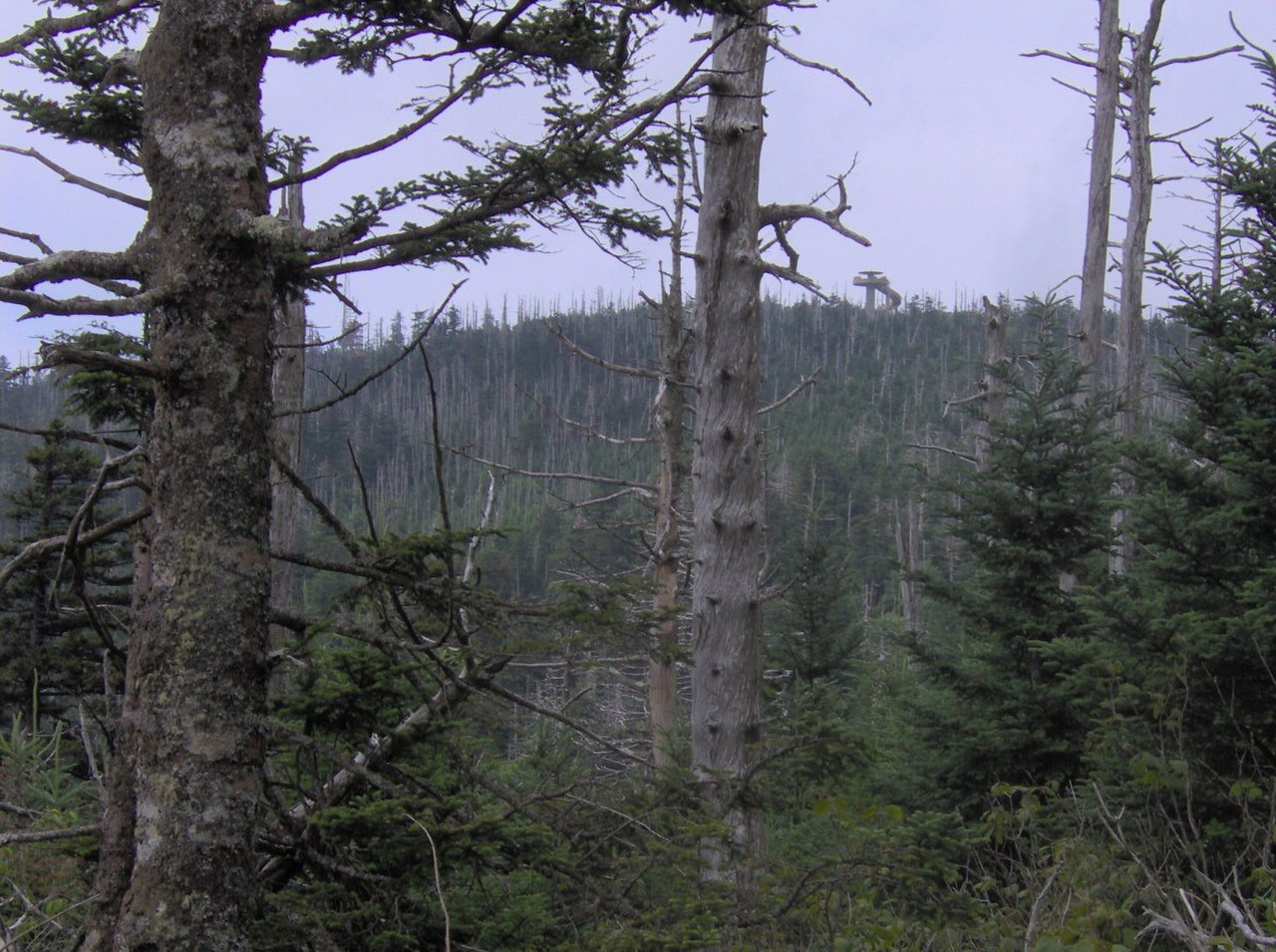
Great Smoky MountainsIn 1838 troops under General Winfield Scott rounded up the Cherokee for removal, and the Cherokee Nation's own history records that some 4,000 people, about a quarter of the population, perished in the camps or on the Trail of Tears. The Nation's domain had once run across much of what is now West Virginia, Kentucky, Virginia, North Carolina, Tennessee, South Carolina, Georgia and Alabama, and the Smokies sit in the North Carolina end of that country. Source
Sources
- https://www.nps.gov/grsm/learn/historyculture/cherokee.htm
- https://www.govinfo.gov/content/pkg/FR-2026-01-30/html/2026-01899.htm
Checked September 2026.