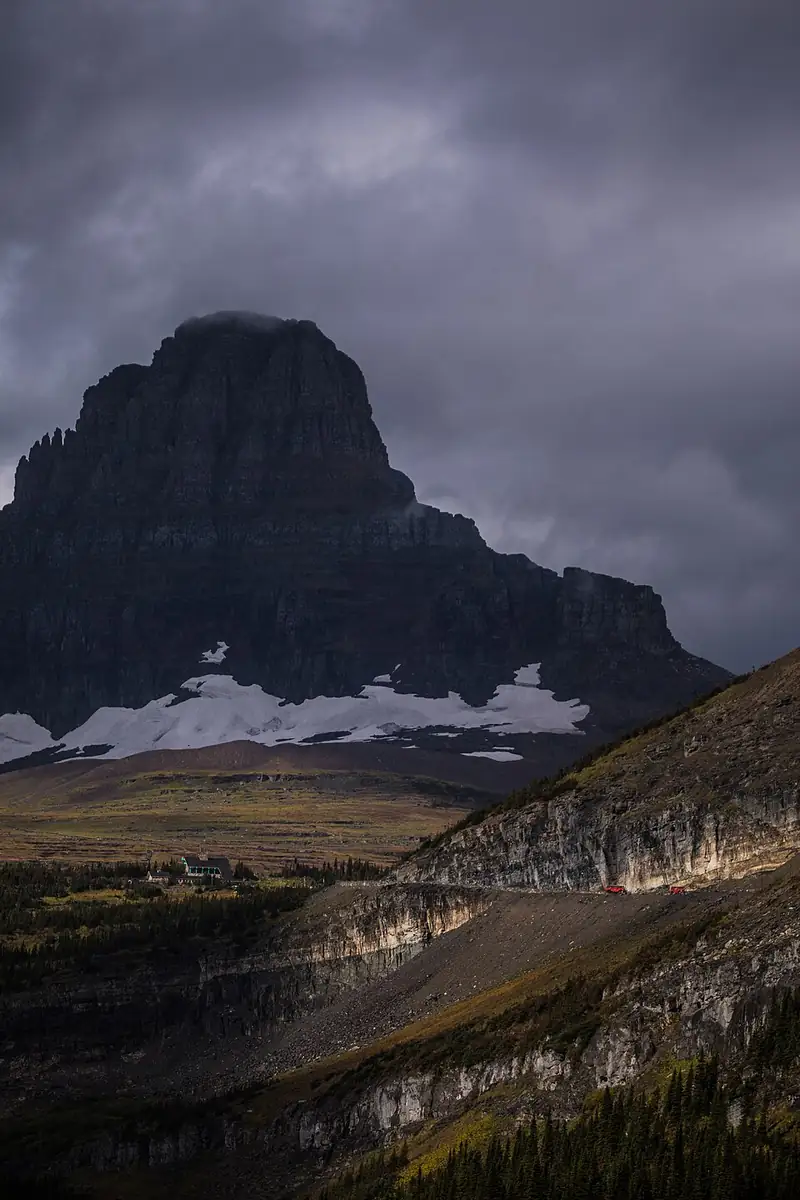
One road crosses this park, and it takes all summer to plow. It runs 50 miles from the west side over the Continental Divide at Logan Pass and down the east side. Rain that falls on one side of that pass ends up in a different ocean than rain that falls on the other.
Photo: Alexander Bock / Wikimedia Commons (CC BY-SA 4.0)
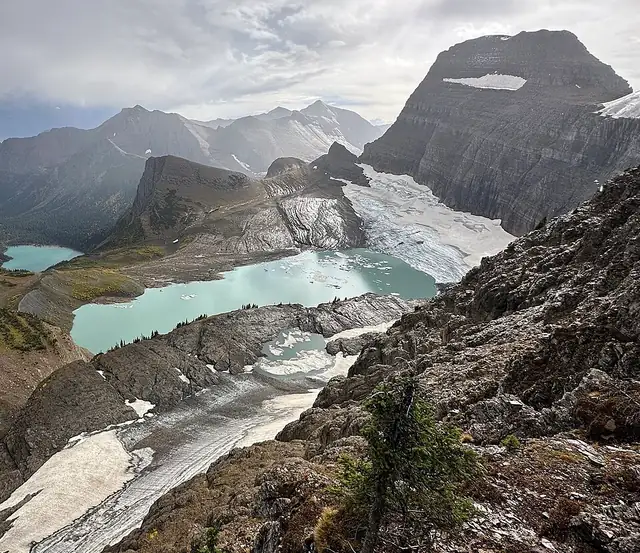
Around 1850 this park held about 80 glaciers big enough to count. By 2005 only 32 were left that size. Grinnell Glacier is the one scientists photograph over and over from the same spot, and a lake has appeared where the ice used to be.
Photo: Robert M. Russell / Wikimedia Commons (CC BY-SA 4.0)
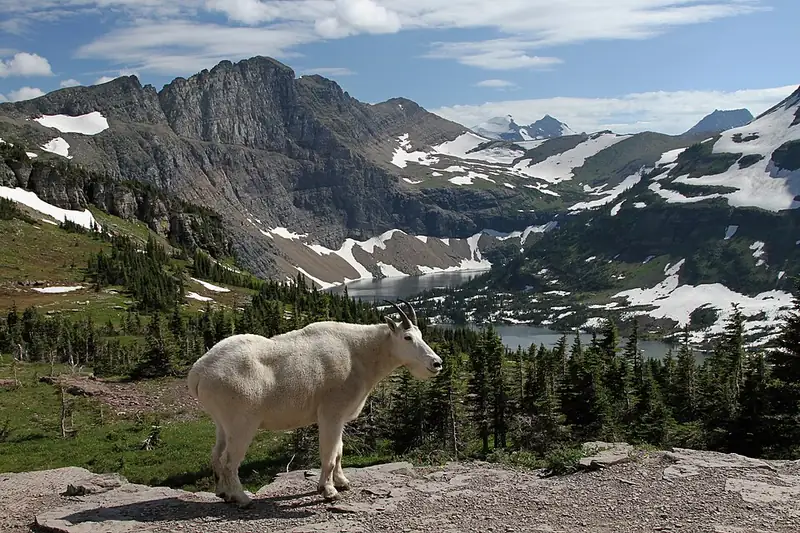
Mountain goats walk up cliffs that look flat. Their hooves have a hard rim and a soft rubbery pad in the middle, which grips rock like a climbing shoe on slopes as steep as 60 degrees. Two coats of wool let them stay up there all winter.
Photo: NPS / Wikimedia Commons (public domain)
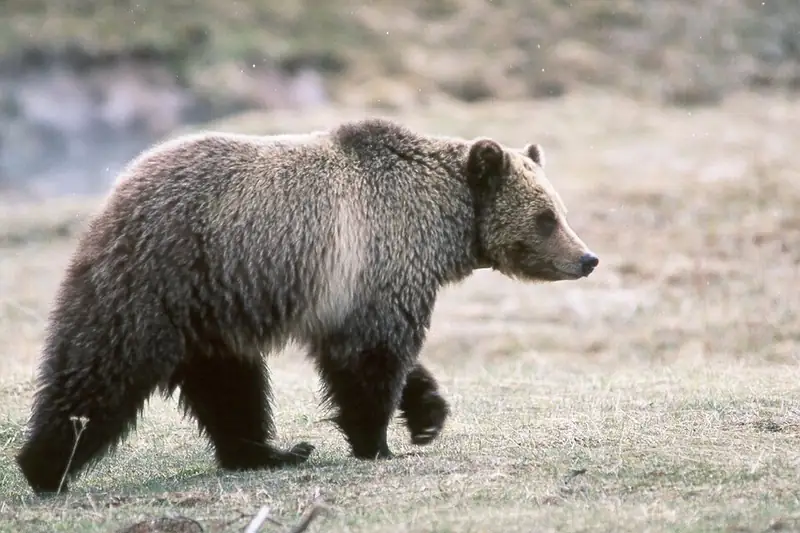
About 300 grizzly bears live here. Scientists counted them without ever catching one: they strung barbed wire at bear rub trees, collected 34,000 snagged hairs, and read the DNA.
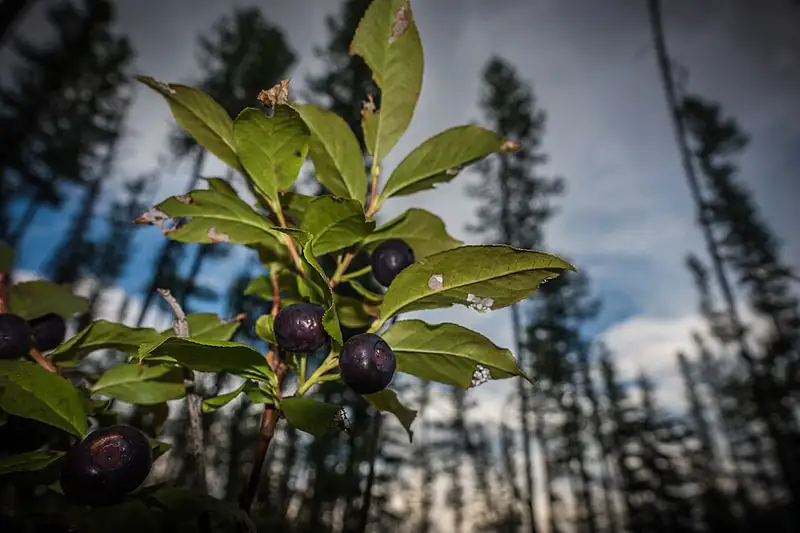
The Blackfeet name for huckleberry is Aapaawapsspi, and the berries were dried by the fire and saved for winter like raisins. Bears eat so many that the berries can be 15 percent of their diet, and the seeds come out the other end already fertilized.
Photo: Yathin S Krishnappa / Wikimedia Commons (CC BY-SA 3.0)
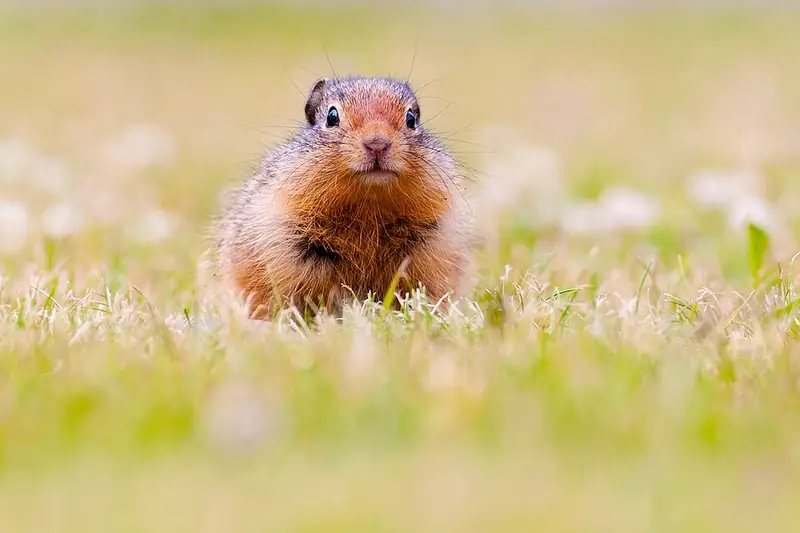
The park says it is hard to visit Glacier and not see one of these. They stand up outside their holes and squeak. That squeak is an alarm, and it is usually about you: one chirp and the whole meadow drops underground.
Photo: NPS / Wikimedia Commons (public domain)
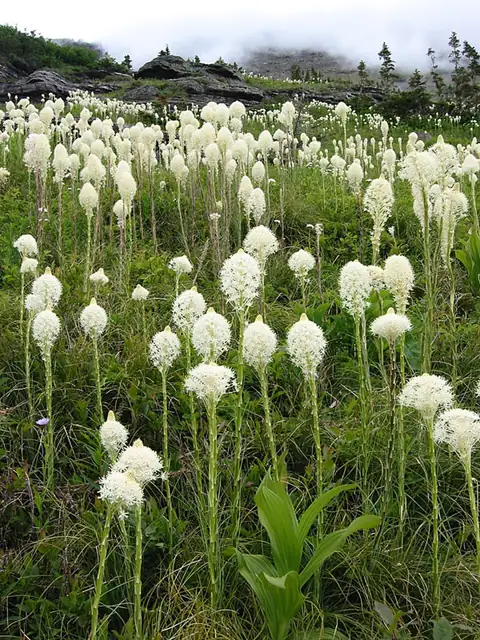
Beargrass sends up a tall stalk with a fat cream-colored club of tiny flowers on top. The name gets it wrong twice: it is not a grass, and bears do not particularly like it.
Photo: NPS / Jacob W. Frank / Wikimedia Commons (public domain)
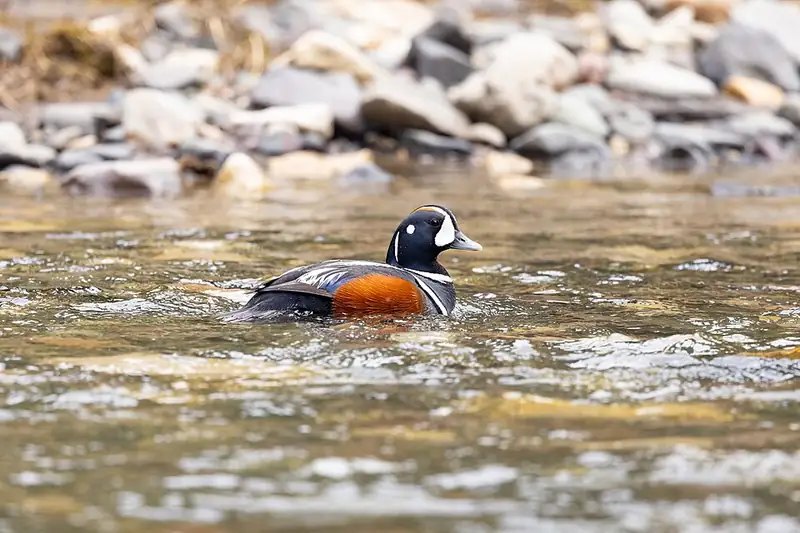
Harlequin ducks sit in whitewater that would knock you off your feet. They are the only North American duck built for fast water, and a quarter of every harlequin duckling born in Montana is raised in one creek here, Upper McDonald Creek.