Plants of Lassen Volcanic National Park
The 4 plants of Lassen Volcanic National Park. Each carries a fun fact and a note on whether a kid should worry about it.
Common questions
Which Lassen Volcanic National Park plants demand distance from a kid?
Douglas-fir, Indian paintbrush, Ponderosa pine, and Snow plant carry a rule worth reading. Douglas-fir: Completely safe. Indian paintbrush: Harmless to touch. Ponderosa pine: Safe and fun. Snow plant: Harmless to touch, not poisonous. (per NPS species pages).
What do Lassen Volcanic National Park plants eat?
Snow plant eats sugars from underground fungi, which take their sugar from conifer tree roots. (per NPS species pages).
The strangest true thing about Lassen Volcanic National Park's plants.
Douglas-fir: It is not a true fir at all. Its scientific name means false hemlock, and it fits so oddly among the conifers that botanists gave it its own group. Indian paintbrush: The bright red brush is not petals at all. It is a cluster of colored leaves, called bracts, hiding the small green true flowers tucked inside. (per NPS species pages).
-
 Plant
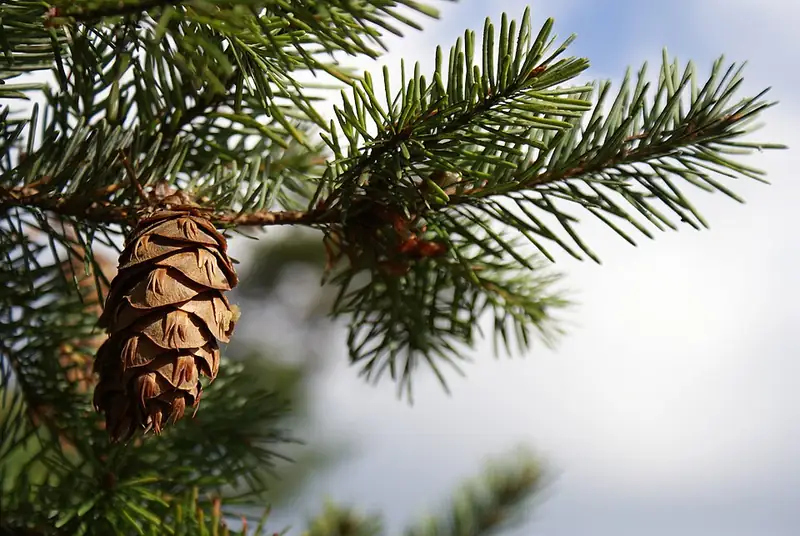
Douglas-fir
Pseudotsuga menziesii
One of the tallest trees on Earth, not actually a true fir, whose cones carry little three-pointed flaps a Native story calls the tails and legs of hiding mice.
-
 Plant
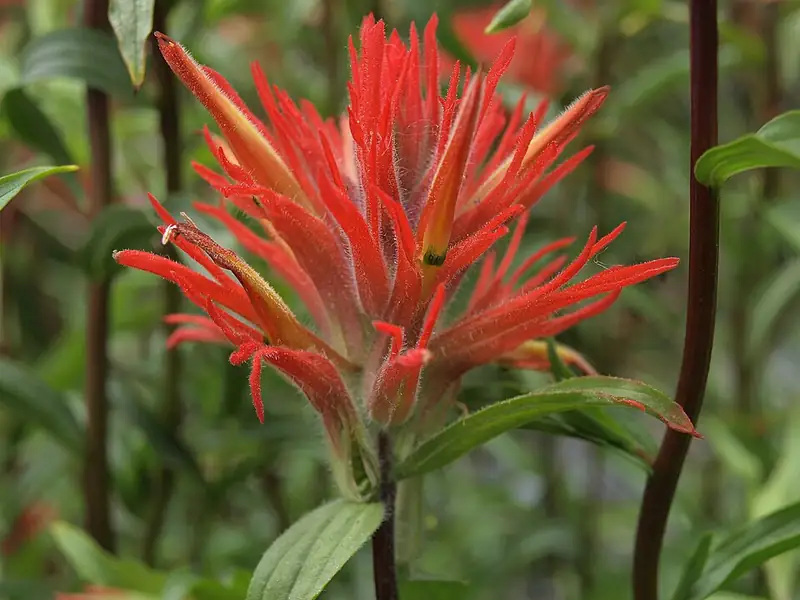
Indian paintbrush
Castilleja miniata
A scarlet mountain wildflower that steals water and food from its neighbors' roots, and whose bright color comes from leaves, not petals.
-
 Plant
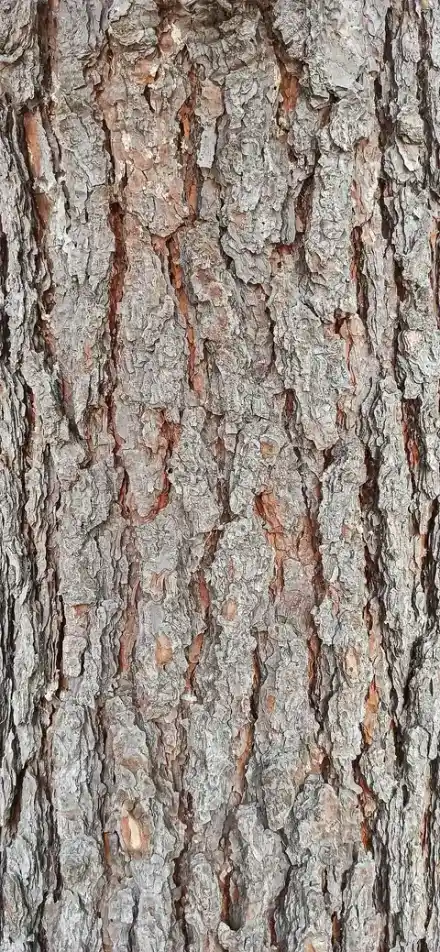
Ponderosa pine
Pinus ponderosa
A tall western pine whose sun-warmed bark smells like butterscotch and vanilla, and which drops its low branches so ground fire can pass safely beneath it.
-
 Plant
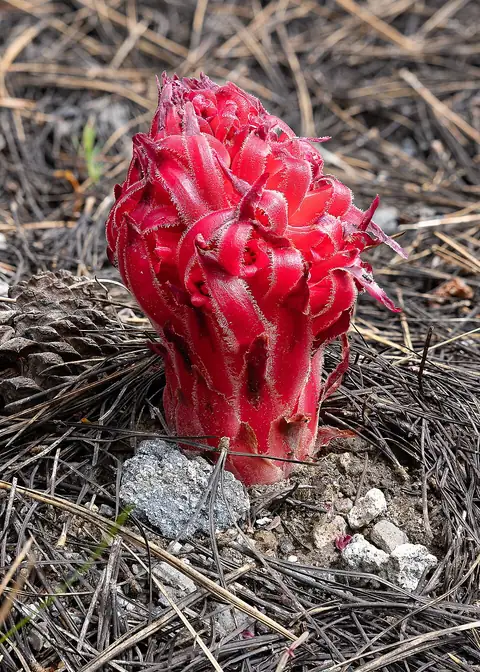
Snow plant
Sarcodes sanguinea
A bright red, leafless stalk that pushes up through melting spring snow in the conifer forests of Lassen Volcanic, and makes no food of its own.